
What is the Anatomic System and why does it matter in product design?
When we talk about design systems, we often think only about components: buttons, inputs, cards.
But a good system doesn’t start there. It starts with understanding the anatomy of the interface.
The Anatomic System is about breaking the UI down into functional parts, much like the human body. You don’t design “a screen”; you design a set of structures that serve a clear and repeatable purpose.
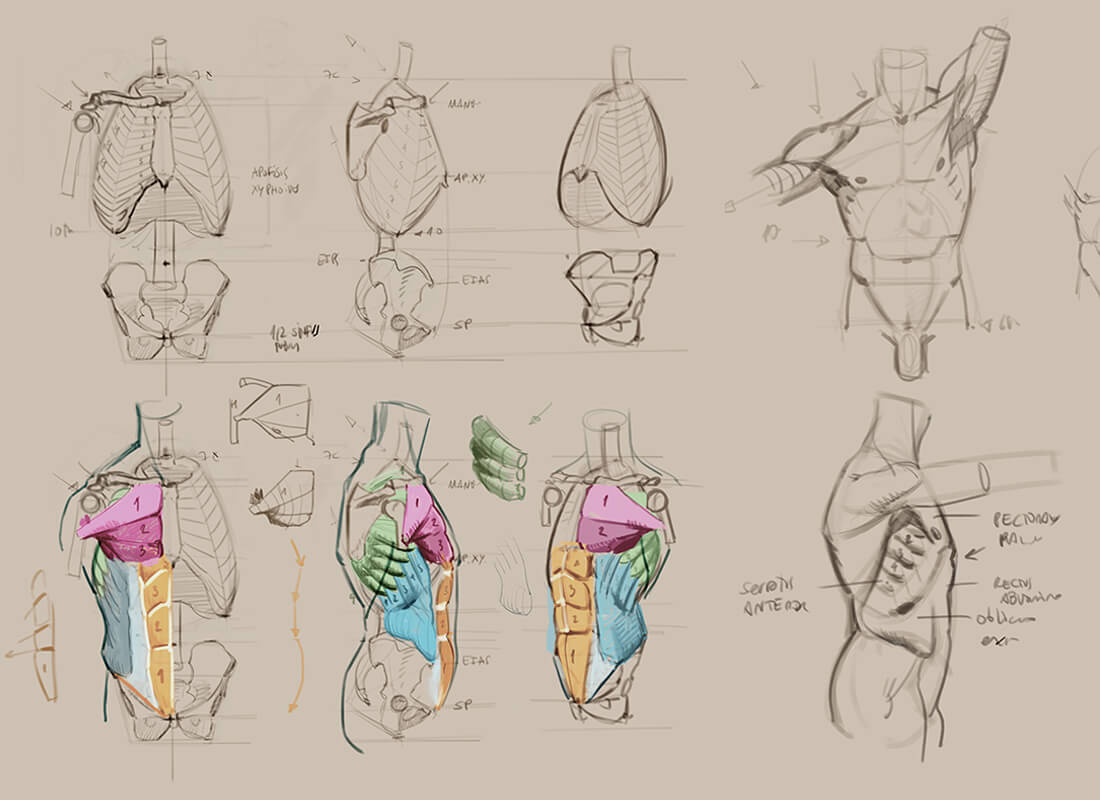
A well-designed interface usually follows this logic:
- Structure → layout, grid, hierarchy
- Organs → components (buttons, fields, tables…)
- Nervous system → states, interactions, feedback
- Skin → visual styles, color, typography, branding
When you understand this anatomy, design stops being purely aesthetic and becomes systemic.
Why is it so powerful?
Because it:
- Makes products easier to scale
- Reduces inconsistencies across screens
- Improves communication with development
- Allows you to design around behavior, not just appearance
Instead of asking “How does this screen look?”, you start asking:
👉 “What role does this part play in the system?”
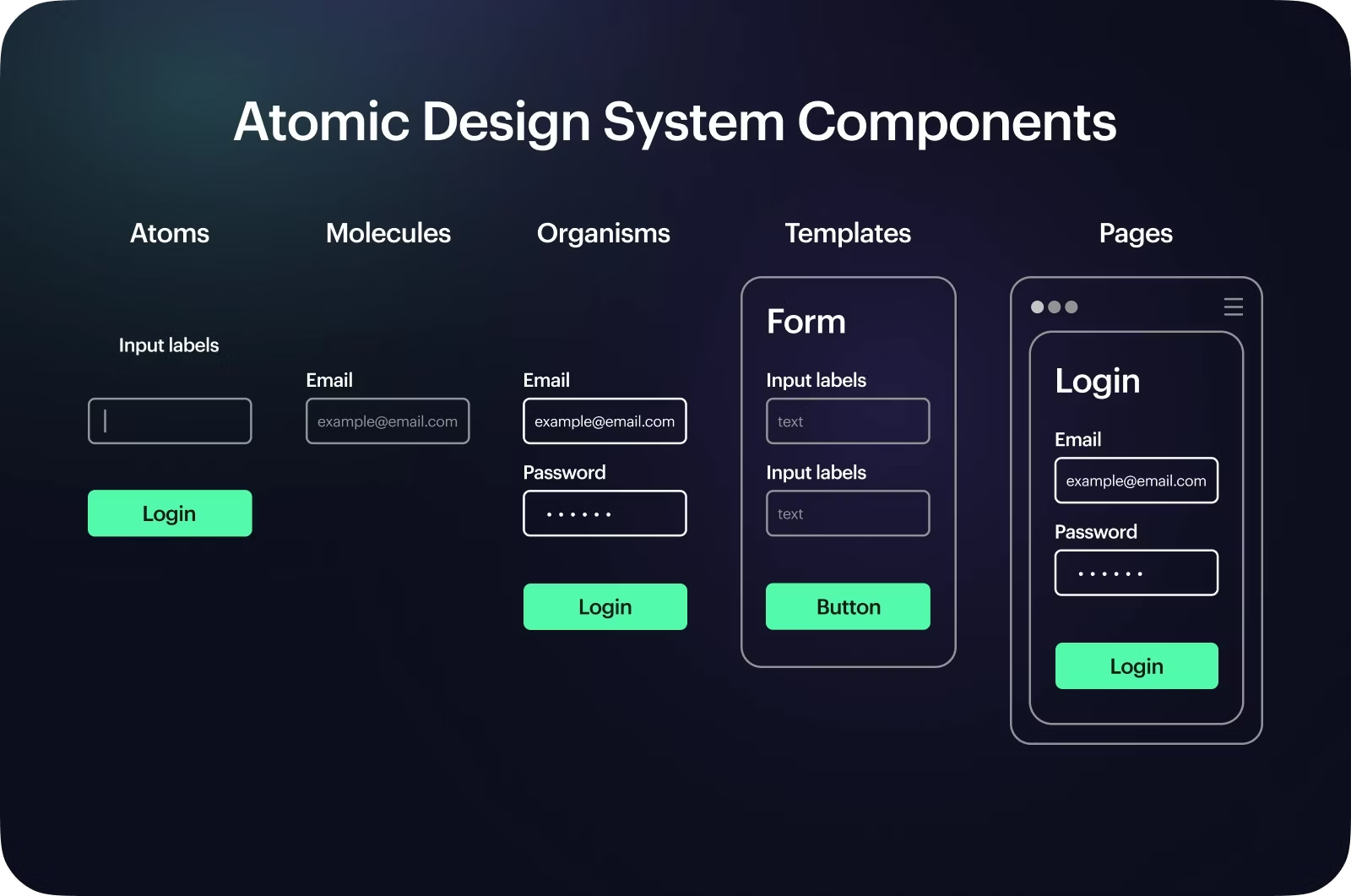
And that’s where design becomes truly scalable.
A solid product isn’t defined only by how good it looks,
but also by how well its internal anatomy is articulated.