
UX began long before apps and computers. In fact, it started before anything digital. UX exists everywhere, even if we don’t always call it that. UX design is the experience a person has when trying to achieve something, with or without screens.

UX means understanding what you need to do without anyone having to explain it, not making mistakes because of the system, not wasting time on unnecessary steps, and not feeling anxiety or distrust during the experience. It doesn’t matter whether you’re buying bread, booking a medical appointment, withdrawing money, reserving a restaurant, entering a building, or using an app: if the experience flows, there is UX; if it frustrates, that is UX too.
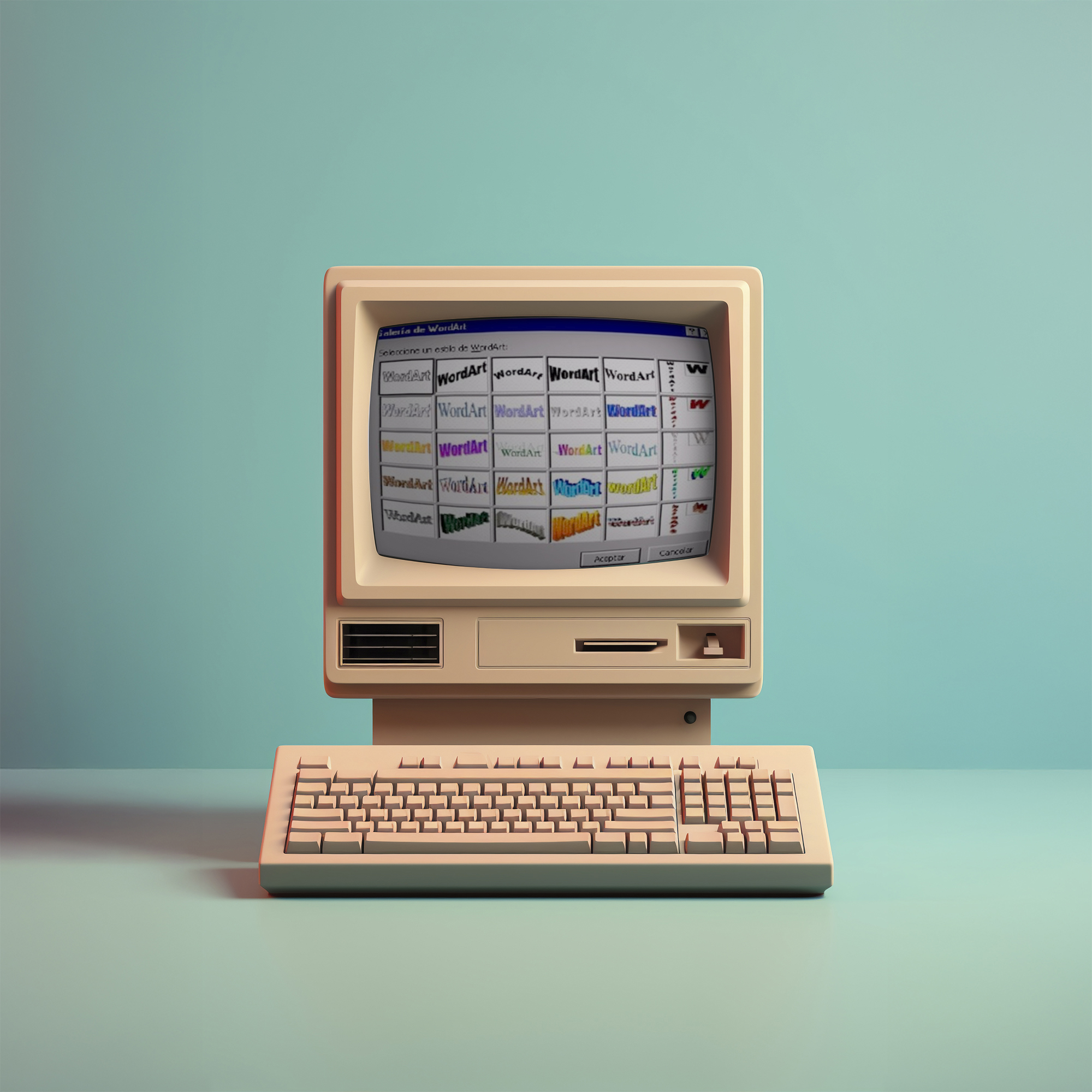
In the 80s and 90s, with the arrival of personal computers and the first graphical user interfaces, interaction with technology stopped being exclusive to experts. In this context, Don Norman coined the term User Experience, and the focus shifted completely: it was no longer enough for the machine to work; what mattered was that people could understand it.
Why is it key today?
Because today we design:
- Complex products
- For millions of people
- in critical contexts (healthcare, finance, AI, accessibility)
Today, UX means:
- Designing systems, not screens
- Reducing friction and risk
- Making ethical decisions
- Making complexity understandable
Technology changes.
The need to design for people does not.