
UX/UI is not just “designing screens”
When we talk about UX/UI, it’s often unclear what it actually includes.
It’s not just about making an interface look nice, but about how a digital product is understood, used, and felt.
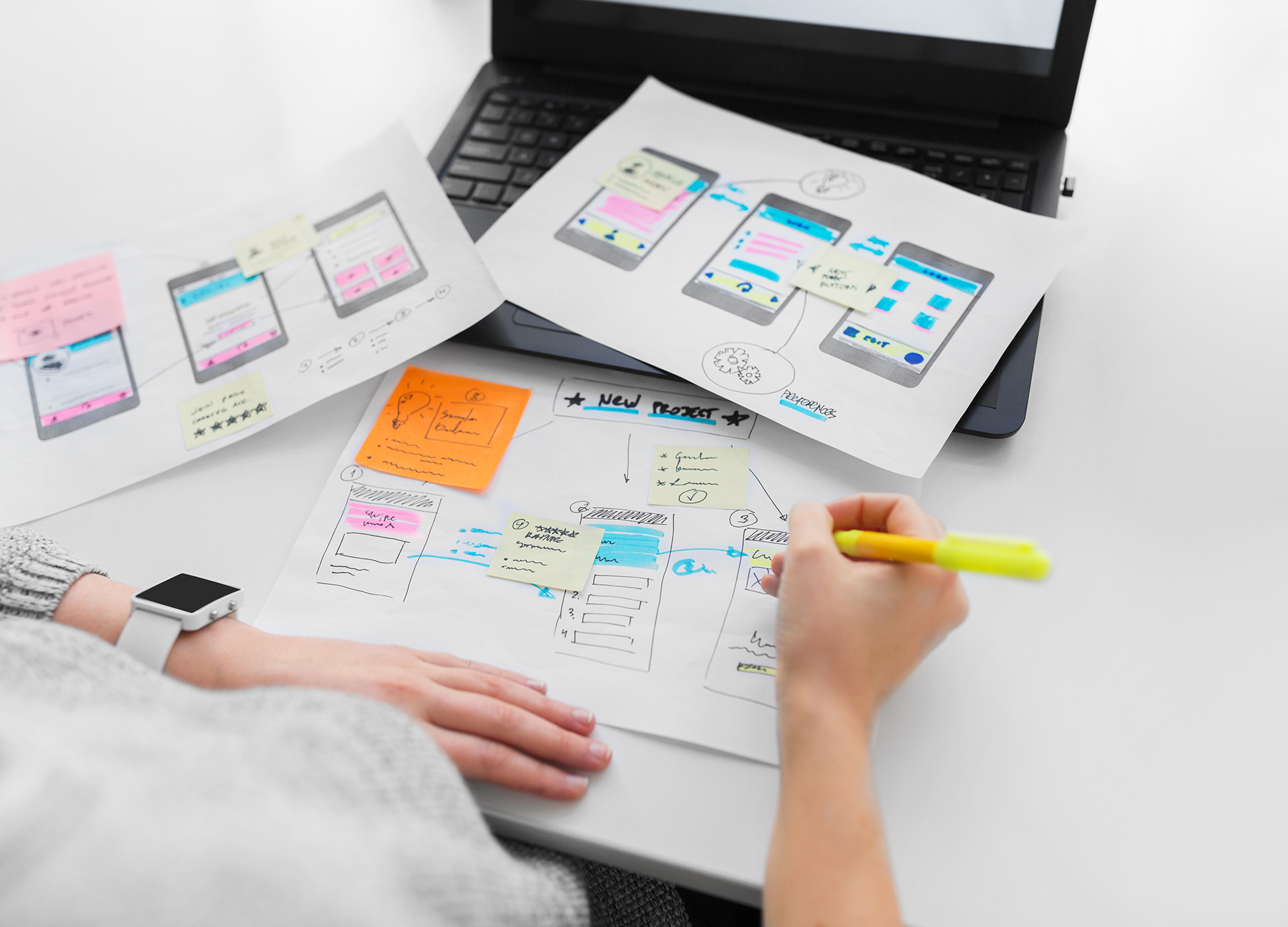
UX (User Experience) is about understanding the user:
their needs, pain points, goals, and context.
It involves analyzing behaviors, identifying problems, and designing solutions for real people. That’s why it’s not surprising that many UX designers today come from backgrounds such as psychology.
UI (User Interface) translates all that analysis into a clear, usable, and consistent interface. In this case, many UI designers come from graphic design and fine arts — as is my case.
This discipline defines how information is presented, how users interact with the product, and how visual consistency is maintained across the entire experience, always taking into account the first phase: research (UX).
So, what defines good UX/UI design?
Good design is the combination and balance between understanding the user – their journey, their behavior – and reducing friction and cognitive load to make decision-making easier while using a digital product.
Users should be guided naturally through every step, without the need for tutorials or extra explanatory elements.
Finally, when this experience is aligned with business goals through thoughtful visual interface design, we achieve our objective as UX/UI designers.
Because designing with purpose is always better than designing without one.